
Choosing a project management framework in 2025
The project management framework you choose isn’t just about organizing tasks—it’s about engineering organizational velocity. While individual tools and methodologies evolve, the underlying systems that drive predictable delivery remain constant.
For engineering leaders who’ve scaled teams before, the framework question isn’t “what’s popular?” It’s “what enables outcome-based execution at our current scale?” The answer depends on your team’s maturity, project complexity, and accountability structure.
Here’s how experienced CTOs evaluate the core frameworks that still matter in 2025.
Agile: The Default That Actually Works
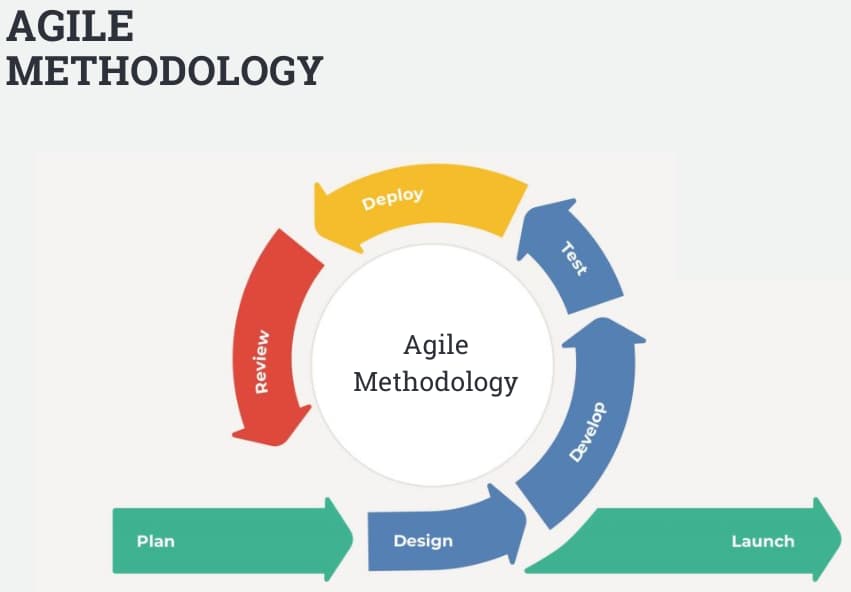
Agile remains dominant because it solved the real problem: how to maintain delivery velocity while requirements evolve. If you’re building software where user feedback shapes the product, Agile’s iterative approach aligns with how modern engineering actually operates.
The 2025 Reality: Most “Agile” implementations are actually hybrid approaches. Pure Scrum is rare. What works is taking Agile’s sprint structure and adapting it to your specific delivery constraints.
When Agile Works:
- Product development with evolving requirements
- Teams that can handle autonomous decision-making
- Projects where customer feedback drives iteration
- Organizations with mature engineering culture
When It Doesn’t:
- Fixed-scope, fixed-deadline projects
- Teams without strong technical leadership
- Environments where “flexibility” becomes scope creep
- Projects with rigid compliance requirements
Modern Implementation: Most successful teams run 2-week sprints with quarterly planning cycles. They use story points for velocity tracking but commit to outcomes, not just story completion.
Waterfall: Still Relevant for Infrastructure and Integration

Don’t let the “Agile everywhere” narrative fool you. Waterfall remains the right choice for projects with clear, unchanging requirements and dependencies that don’t tolerate iteration.
The 2025 Reality: Waterfall works best for infrastructure projects, regulatory compliance work, and integration projects where the scope is truly fixed.
When Waterfall Works:
- Infrastructure and platform projects
- Compliance and regulatory implementations
- Third-party integrations with fixed APIs
- Projects with hard external deadlines
When It Doesn’t:
- Product development with uncertain requirements
- Teams that need continuous user feedback
- Projects where learning changes direction
- Long-duration projects (>6 months)
Modern Implementation: Hybrid approaches that use Waterfall for planning and architecture phases, then switch to iterative delivery within those constraints.
Shape Up: The Framework Engineering Leaders Actually Use
Basecamp’s Shape Up has quietly become the framework of choice for experienced engineering teams. It’s what happens when you take Agile’s iteration concept and add senior-level project scoping.
Why It Works: Six-week cycles with built-in cooldown periods. Small teams get significant autonomy. Projects are “shaped” by senior leadership before development starts.
When Shape Up Works:
- Teams with strong senior engineering leadership
- Projects that need deep work without interruption
- Organizations that can commit to fewer, better-scoped initiatives
- Teams that prefer ownership over process
When It Doesn’t:
- Organizations that need frequent stakeholder updates
- Teams without strong technical leadership
- Projects requiring external coordination
- Environments with changing priorities every few weeks
Modern Implementation: Most teams use Shape Up’s scoping methodology even if they keep their existing sprint structure.
Lean: Manufacturing Discipline Applied to Engineering Operations

Lean translates Toyota’s manufacturing principles to software delivery: eliminate waste, build quality in, optimize for flow. While it originated on factory floors, Lean’s core insight—that most project delays come from waste in the process, not the work itself—remains relevant for engineering teams focused on operational excellence.
The 2025 Reality: Pure Lean implementations are rare, but Lean principles underpin most high-performing engineering operations. DevOps, continuous integration, and “shift-left” practices all trace back to Lean thinking.
When Lean Works:
- Teams building similar products or features repeatedly
- Organizations with mature engineering processes
- Projects where quality defects are expensive to fix later
- Teams that can invest in process optimization
When It Doesn’t:
- Novel projects without established patterns
- Teams under time pressure who can’t invest in process improvement
- Organizations that prioritize speed over quality consistency
- Projects with unclear or changing success metrics
Modern Implementation: Most teams use Lean principles (automated testing, continuous deployment, waste elimination) without formal Lean methodology. Value stream mapping and retrospective-driven process improvement are the most adopted practices.
Kanban: Operational Excellence for Ongoing Work
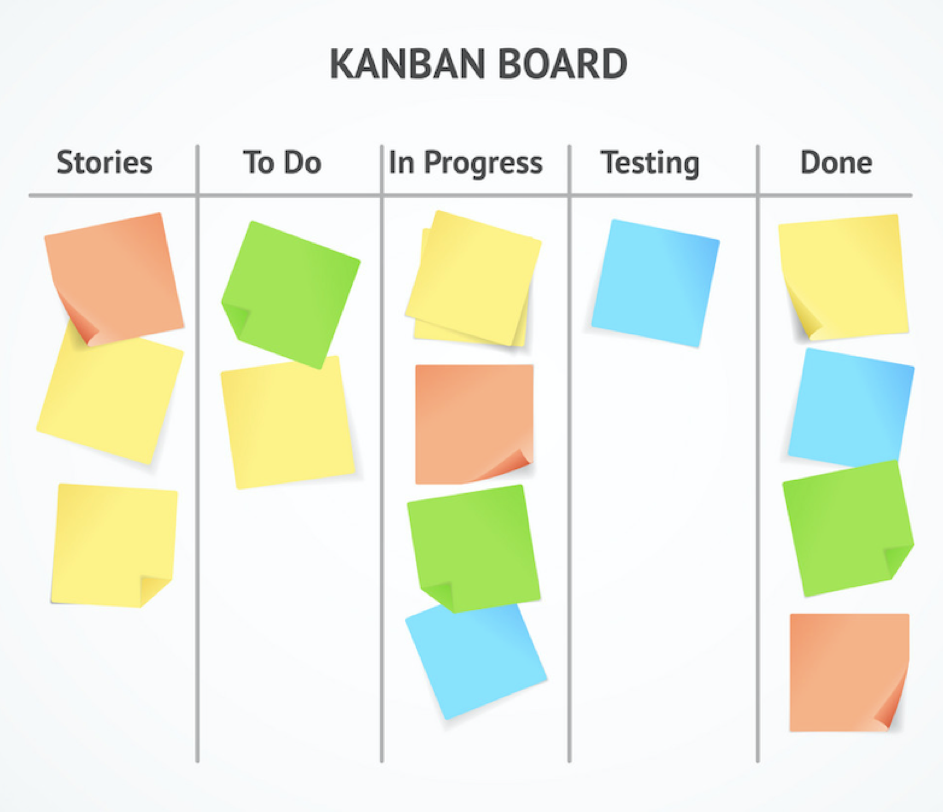
Kanban isn’t a project management framework—it’s an operational system. It excels at managing ongoing work, support tasks, and anything that flows continuously rather than shipping in discrete releases.
The 2025 Reality: Kanban works best for operational teams, support organizations, and mature product teams handling continuous improvement.
When Kanban Works:
- Support and operations teams
- Mature products with continuous deployment
- Teams managing multiple small requests
- Organizations optimizing for flow efficiency
When It Doesn’t:
- Project work with clear deliverables
- Teams that need sprint-based planning
- Organizations requiring deadline predictability
- New product development
Modern Implementation: Often combined with other frameworks. Development teams use Agile for features, Kanban for bugs and operational tasks.
The Framework Decision Tree
Start here: What’s your primary constraint?
If time/deadline is fixed: Waterfall or hybrid approach If scope/requirements evolve: Agile or Shape Up If you’re managing ongoing operations: Kanban If you need organizational alignment: Shape Up with quarterly planning
Team maturity matters:
- Junior teams: Structured Agile with clear ceremonies
- Senior teams: Shape Up or lightweight Agile
- Mixed teams: Hybrid approaches with clear ownership layers
What Actually Drives Success
The framework matters less than execution discipline. Here’s what separates teams that deliver from teams that process:
Outcome accountability: Teams measure business results, not velocity metrics Decision authority: Someone can make calls when requirements conflict Technical leadership: Senior engineers shape work before it starts Iteration discipline: Regular retrospectives that change behavior
In Practice
Most successful engineering organizations don’t run pure frameworks. They use:
- Quarterly planning (from Shape Up) for strategic alignment
- Sprint structure (from Agile) for execution rhythm
- Kanban boards (from Kanban) for workflow visibility
- Milestone gates (from Waterfall) for external dependencies
The framework you choose should amplify your team’s strengths, not require them to adopt entirely new working styles.
Bottom line: Pick the framework that reduces friction between planning and delivery. Everything else is optimization.